What to Know About a Furnace Overheating
Furnaces are essential systems that provide warmth during colder months, but like all mechanical systems, they can encounter issues that hinder performance and safety. One such problem is furnace overheating, a serious concern that requires immediate attention. Understanding how an overheating furnace operates, the associated risks, and timely repairs and regular maintenance can significantly enhance the functionality and safety of an HVAC system.
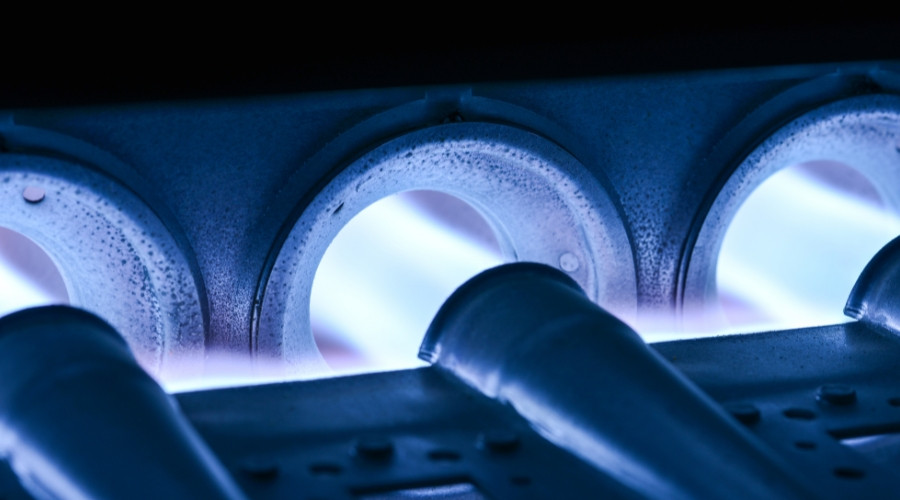
A furnace overheating results from several different scenarios, commonly linked to limited airflow or excessive stress on its components. The unit struggles to properly expel the heat it generates, leading to elevated temperatures inside the system. Recognizing these symptoms early is key to avoiding extensive damage and ensuring the long-term efficiency of the furnace.
Risks of an Overheating Furnace
When a furnace overheats, a series of risks can arise, posing significant threats to both the unit and household safety:
- Damage to the Furnace Unit: Prolonged overheating can compromise various components of the furnace, such as wiring, motors, and fan bearings. This damage can demand costly furnace repairs and even disrupt heating during essential times.
- Premature Furnace Failure: Continuous exposure to high temperatures can accelerate wear and tear on the furnace, potentially leading to premature failure. Early furnace replacement becomes necessary, which is an unexpected expense for many homeowners.
- Fire Hazards: Overheating furnaces present a real fire risk. Extremely high internal temperatures can ignite surrounding materials, including dust and lint, leading to dangerous fires that can rapidly spread throughout a home.
- Carbon Monoxide Leak: One of the most severe risks of an overheating furnace is the potential for a carbon monoxide leak. Cracks in the heat exchanger, caused by excessive heat, can allow this deadly gas to enter living spaces, posing a significant risk of carbon monoxide poisoning to inhabitants.
To avoid such dire consequences, it is critical to maintain the health of the furnace system by monitoring signs of overheating and promptly addressing them.
Signs of an Overheating Furnace
 Recognizing the tell-tale signs of an overheating furnace can prevent further damage and ensure the furnace operates safely and efficiently:
- Burning Smell: One of the most immediate indicators is a burning smell emanating from vents or the furnace itself. This odor often results from accumulated dust being burned off by extreme heat, signifying the furnace is overexerting.
- Unusual Noises: Uncharacteristic sounds, such as humming or banging, can also indicate that the furnace is under stress. These noises often result from strain on the unit’s components operating under extreme conditions, leading to malfunction or damage if left unchecked.
- Incomplete Heating Cycles: If the furnace repeatedly shuts off before completing a full heating cycle, it may be overheating. This safety mechanism prevents extensive damage or safety hazards but highlights the need for immediate assessment and repair.
Being mindful of these signs and conducting regular inspections can help prevent long-term damage and maintain a safe, comfortable environment within the home.
Ways to Prevent a Furnace From Overheating
 Prevention is key to averting the risks associated with an overheating furnace. Here are several practical measures to help maintain optimal furnace performance:
- Routine Furnace Filter Replacement: Regularly changing the furnace filter is vital to promoting adequate airflow and preventing the system from working harder than necessary. A clean furnace filter ensures that dust and debris do not restrict air passages, allowing the furnace to operate efficiently and reducing the chance of overheating.
- Scheduled Furnace Maintenance: Booking routine furnace maintenance with a professional can help identify potential issues before they become significant problems. Certified technicians can inspect components, ensure optimal performance, and advise on any necessary adjustments or repairs to prevent overheating.
- Clear Vents: Ensuring that air vents remain unobstructed is crucial to preventing an overheating furnace. Clear pathways allow air to circulate freely, reducing the likelihood of the furnace overheating.
- Thermostat Settings: Appropriately setting the thermostat can prevent excessive demands on the furnace system. Gradual temperature changes can reduce strain and mitigate the risk of overheating.
By implementing these preventative measures, furnace owners can extend their system's lifespan, improve efficiency, and safeguard against the potential hazards of an overheating furnace. Act now to enhance safety, efficiency, and home comfort throughout the winter season.
For homeowners concerned about the risks of an overheating furnace, it is vital to engage with qualified HVAC specialists who can assess, repair, and maintain the furnace system with expertise. Don't wait until a dangerous situation arises—reach out to a professional today and experience the peace of mind that comes with a well-maintained heating system.
About Chad’s AC Direct
Chad’s AC Direct is a local heating and air conditioning service contractor in Montgomery County. Their licensed, background-checked technicians provide personalized service from start to finish. Call now for furnace repair services in Montgomery, AL.